The vision of TREC is to diminish the suffering and burden of venous thrombosis by discovering novel risk factors and disease mechanisms to facilitate personalized prevention and treatment.
TREC is a translational research center which fosters the multidirectional integration of laboratory-, patient-oriented-, and population-based research.
Is mannose binding lectin of the lectin complement pathway associated with risk of venous thromboembolism (VTE)?
01.12.2025
Prizes to TREC at ECTH2025
27.11.2025
People with high content of omega-3 fatty acids in blood have lower risk of venous thrombosis
Is mannose binding lectin of the lectin complement pathway associated with risk of venous thromboembolism (VTE)?
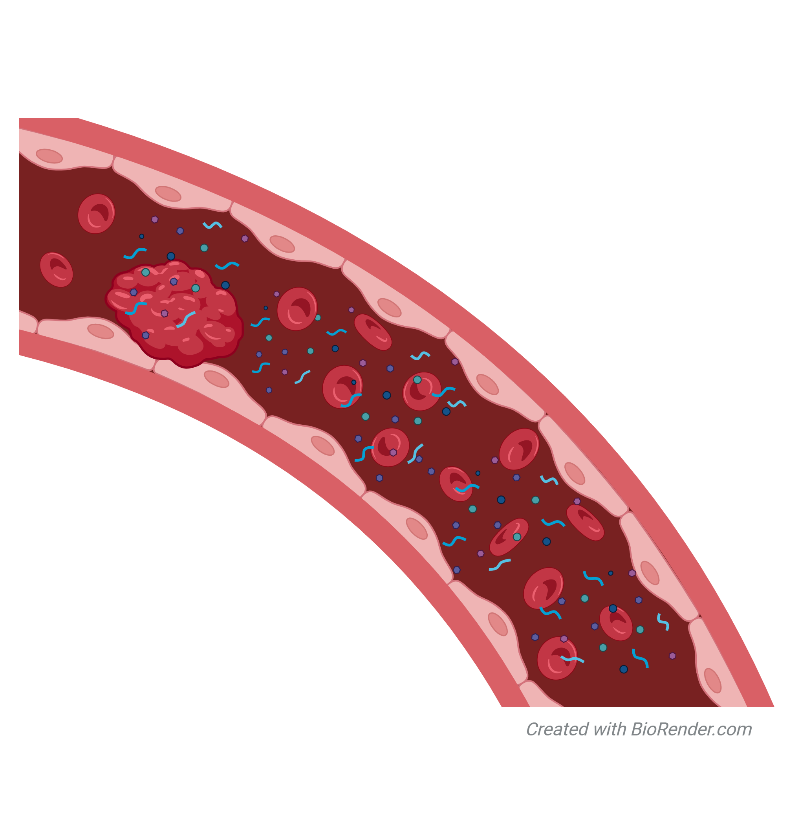
The complement system, a fundamental part of humoral and innate immunity, has gained considerable attention for its interplay with coagulation and potential role in the pathogenesis of VTE. Mannose-binding lectin (MBL), a pattern recognition molecule circulates in complexes with MBL-associated serine proteases (MASPs) in blood. The MASPs are activated when MBL bind to specific carbohydrate patterns on pathogens or altered host cells and lead to downstream complement activation. In the present population-based study, we found that individuals with high plasma MBL levels had 79% higher VTE risk than those with low MBL levels, and that activated MBL-MASP complexes facilitated thrombin generation independent of downstream complement activation. The results suggest that high MBL levels are a risk factor for VTE partly mediated by direct thrombin generation at the site of venous thrombosis formation. Our findings were recently published and highlighted as a featured paper in Arteriosclerosis Thrombosis and Vascular Biology.
The first author of this study, Christabel Esi Damoah, is a PhD-student at TREC and the study included collaborators from Norway, Denmark, Hungary and USA.
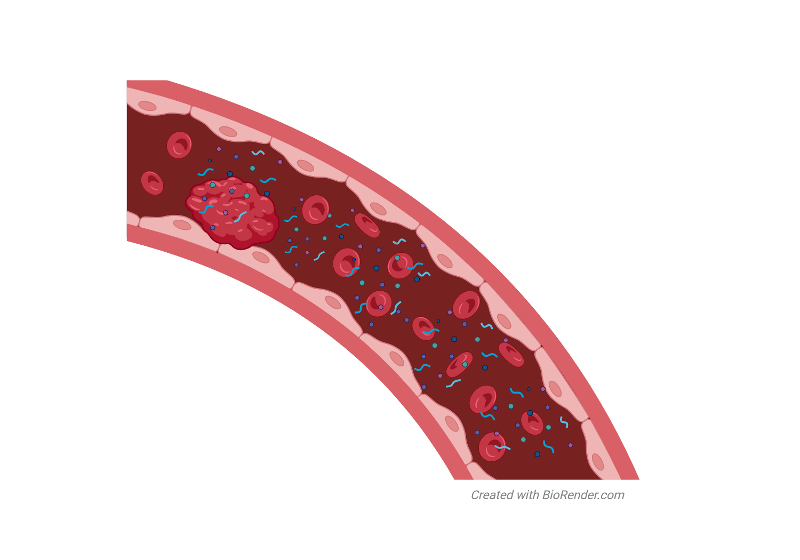
Graphical Abstract. Damoah et al. ATVB 2025 Published: 02.12.2025
Link to this page
Prizes to TREC at ECTH2025
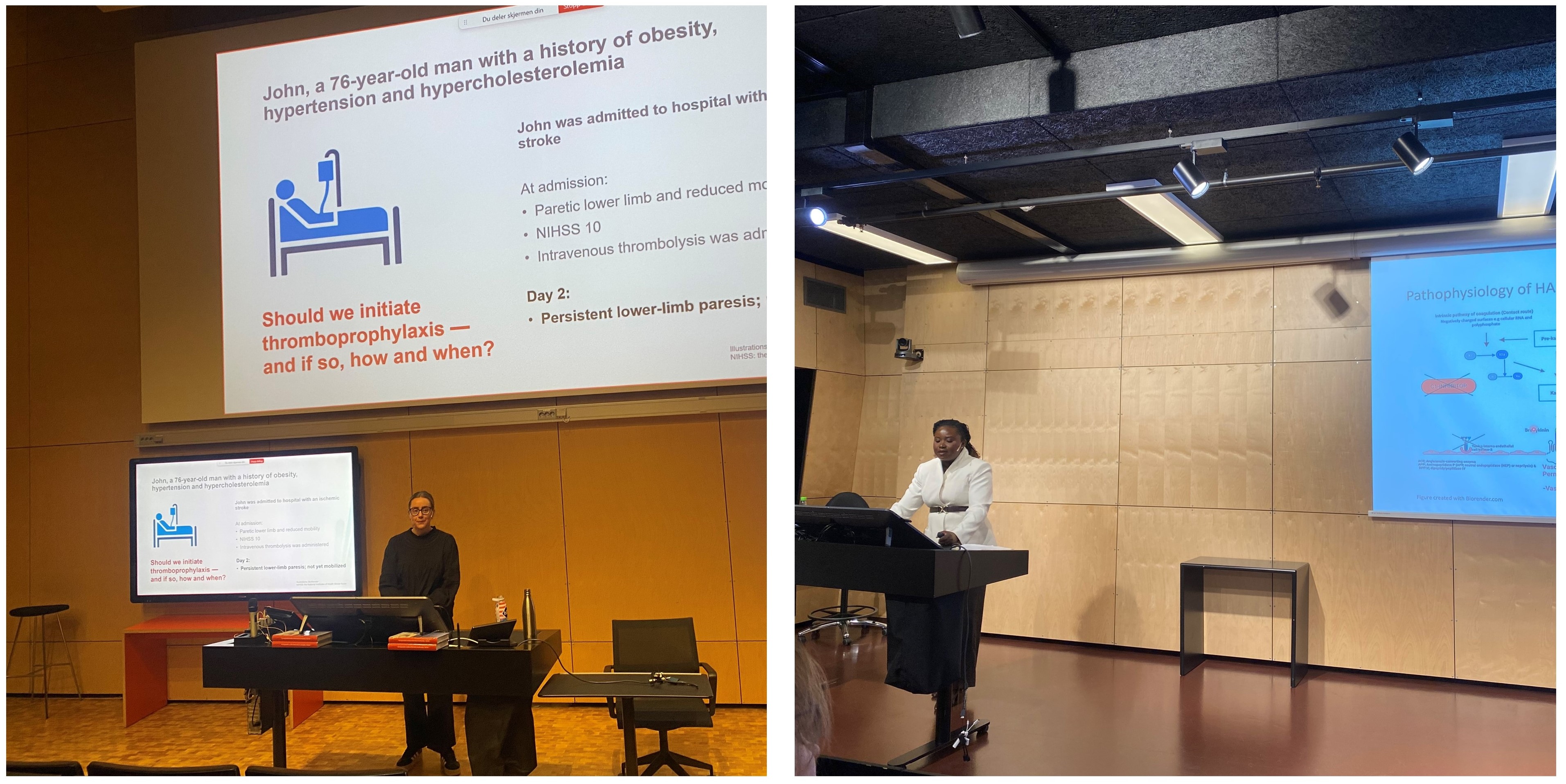
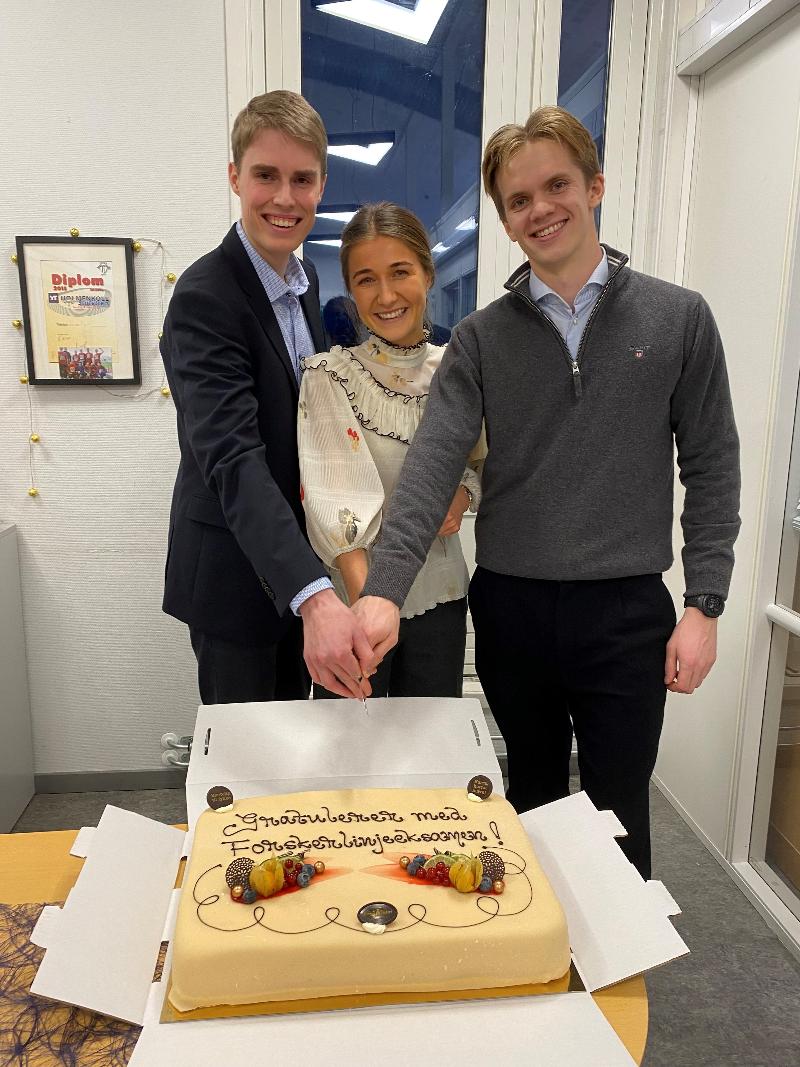
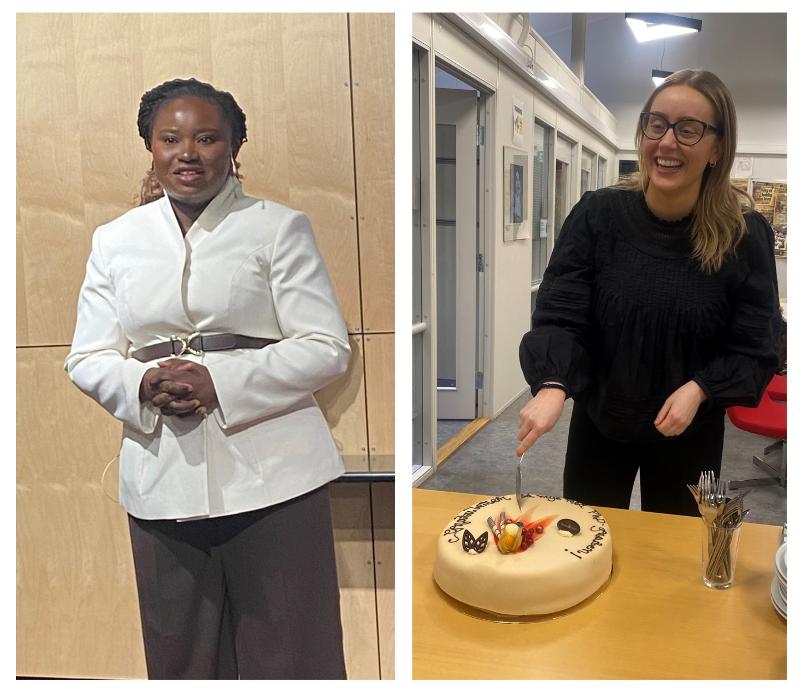
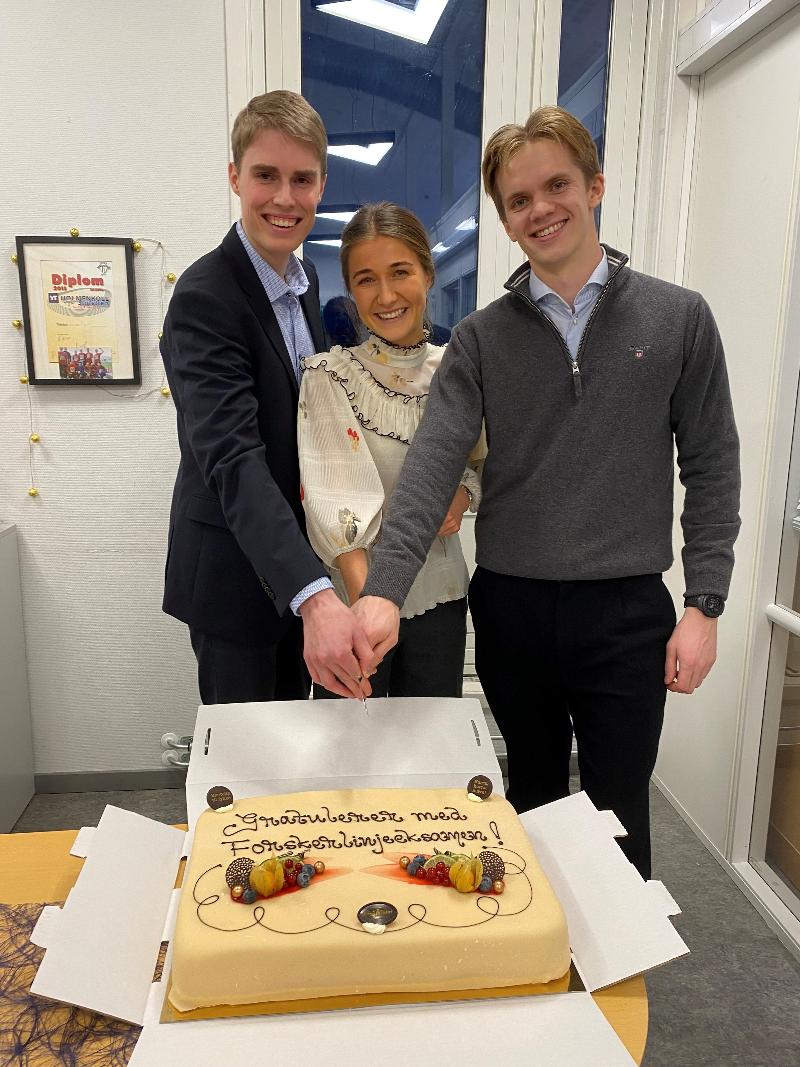
The European Congress on Thrombosis and Haemostasis (ECTH), which is held every second year, was held in Prague on October 22-24. The conference had 500 participants and a group of 16 members from TREC attended. We presented the most recent results from our projects, and three of our MD/PhD-students (forskerlinjestudenter) and PhD-students received awards.Young investigator awards to Mathias and Solveig (left), Science Fast and Furious (middle), Prague Castle (right). Photos: Sigrid Brækkan
TREC submitted 15 abstracts to the conference (total number of abstracts were >300), and of these, 12 were elected for oral presentations, one for “Science fast and furious”, and the remaining two were presented as posters. The “Science fast and furious” is a scientific presentation in a TED-talk format, and the eight highest ranked abstracts are elected for this session. Mathias Haugmo Storvand did a great job on the fast and furious stage, presenting results on a newly discovered protein which is linked to obesity-related VTE. Together with Solveig Marie Valderhaug he received a young investigator award, while Maryam Hosseini won the prize for best poster presentation!
The TREC members held presentations within the sessions on venous thromboembolism (VTE), recurrent thrombosis, platelets, cancer-related VTE and obesity-related VTE. Anna Arntzen, Camilla Langholm, Celina Cathro, Christopher Antoun, Eduarda Guerreiro, John-Bjarne Hansen, Nikolai Eide, Magdalena Johansson, Maryam Hosseini, Melliane Olsen, Lukas Konecny and Solveig Valderhaug all did an excellent job presenting their work!
The scientific program of the conference was truly inspiring, and it was nice to meet colleagues and researchers in the field of thrombosis and hemostasis from all over Europe.
We had a great time in Prague!
Celina Cathro presenting (left), Networking event (middle), Best Poster prize to Maryam Hosseini (right). Photos: Sigrid Brækkan Published: 01.12.2025
Link to this page
People with high content of omega-3 fatty acids in blood have lower risk of venous thrombosis
Blood clots formed in the veins of the leg and lungs, collectively named venous thromboembolism (VTE), is a common disease with severe complications. The occurrence of VTE has increased during the last decades, and it is important to find out whether lifestyle factors can lower the risk of VTE. We therefore investigated whether a high content of omega-3 fatty acids in blood was related to risk of VTE in the general population. We found that persons with high content of omega-3 fatty acids in blood had a 28% lower risk of VTE. Our findings were recently published in the American Journal of Clinical Nutrition and highlighted by an editorial commentary in the same journal.
Omega-3 fatty acids are essential fatty acids, meaning that they cannot be synthesized in the body and that the content in blood reflect the dietary intake of seafood or omega-3 enriched supplements (e.g. cod liver oil). Fatty fish, such as salmon, trout, and mackerel, has a high content of omega-3 fatty acids, while lean fish, such as cod, has a low content of omega-3 fatty acids. Studies have shown that omega-3 fatty acids can have beneficial effects on key mechanisms involved in blood clot formation.
Previous studies on the relationship between omega-3 fatty acids and VTE have estimated dietary omega-3 intake based on self-reported intake of fat fish and supplements. Since this estimation is not completely accurate, the true effect of omega-3 can be underestimated in such studies. Consequently, these studies have reported mixed results on the link between omega-3 fatty acid intake and VTE risk. In our recent study, we have for the first time studied whether omega-3 levels measured directly in blood were linked to VTE risk.
In our study of omega-3s and risk of venous thromboembolism, about 17,000 persons living in Nord-Trøndelag County in Norway participated. They went to a health examination and donated blood samples in 2006-08. The amount of omega-3 fatty acids in blood samples from each participant was measured, and all VTE events among the participants were registered until 2020. During 12-years of median follow-up, 340 participants experienced a VTE event. We found that those with high omega-3 levels (upper tertile) in blood had 28% lower risk of venous thromboembolism compared to those with low levels (lower tertile).
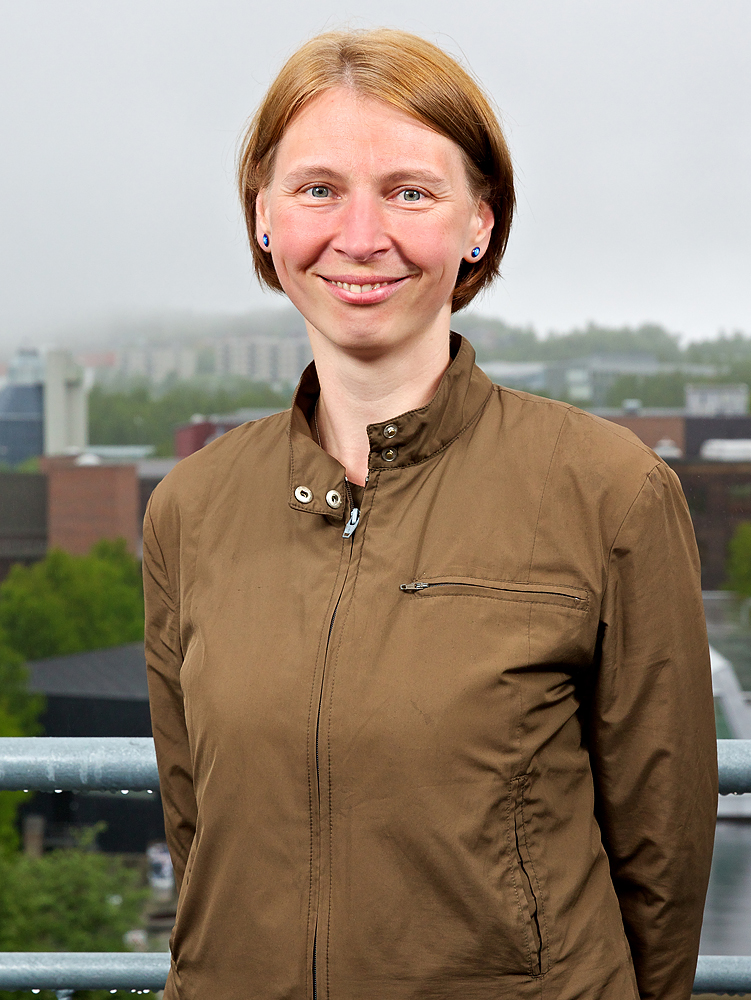
Magdalena Johansson (Photo: Private)
Our findings suggest that a high dietary intake of omega-3 fatty acids derived from seafood is associated with lowered risk of future VTE. However, our original findings needs to be validated in other populations and ultimately tested in randomized clinical trials.
The first author of this study, Magdalena Johansson, is a haematologist and researcher from Umeå University, Sweden. She collaborated with TREC on this study when she was a visiting researcher in Tromsø during spring 2024.
Clinical epidemiology and risk factors of venous thromboembolism, Diagnostic and predictive biomarkers of venous thromboembolism, Pathophysiology of venous thromboembolism
Current positions:
Head of Thrombosis Research Group (TREC)
Head of Thrombosis Research Center (TREC), University Hospital of North Norway
Publications
>300 original full papers in peer-reviewed journals listed in PubMed and 22 review articles and 12 book chapters. Contributed to >370 abstracts presented at and published in conjunction with scientific international meetings/conferences. H-index: 51.
Supervision of PhD-students and postdoctors
Completed PhDs: Main supervisor: 35; Co-supervisor: 5
Ongoing PhDs: 7 as main supervisor and 6 as co-supervisor
Mentor for 13 previous and 3 present postdoctors
Other relevant professional experiences
2016-21 Chair of the Subcommittee Diagnostic and predictive variables, ISTH
2015-20 Member of the scientific program committee of the European Haematology Association (EHA)
2015- Member of the organization committee of the European Congress of Thrombosis and Haemostasis (ECTH)
2015 - Associate investigator Centre for Molecular Medicine Norway (NCMM)
2014 -20 Associate editor Journal of Thrombosis and Haemostasis
My main research interest is the epidemiology and pathogenesis of venous thromboembolism (VTE). In order to optimize prevention and treatment of the disease, it is crucial to better understand the mechanisms of venous thrombus formation and how risk factors contribute to or interplay in this process.
I have trained as an epidemiologist within the field of thrombosis and hemostasis, and worked with studies on the relationship between arterial and venous thrombosis, life-style factors and VTE, biomarkers for future VTE, cancer-related VTE, as well as complications after VTE.
Affiliated with TREC in 20% Professor II position, employed by UNN. Full-time Professor at Department of Clinical Medicine, UiO (Research Group: Inflammatory biomarkers in cardiovascular and metabolic disease)
I am a medical doctor and approved specialist in Internal Medicine and Hematology in Brazil. I obtained my first PhD (Hematology) in Brazil in 2000. Given my growing interest in research on the epidemiology of venous thromboembolism (VTE), I moved to the Netherlands in 2014 and started a second PhD at the Department of Clinical Epidemiology (Leiden University Medical Center - LUMC). After obtaining my PhD at LUMC in 2017, I joined the Thrombosis Research Group (TREC) at UiT – The Arctic University of Norway as a researcher.
My main research interest is the epidemiology and pathophysiology of VTE, with a special focus on the investigation of novel VTE biomarkers that could serve as potential targets for VTE prevention and treatment. I have contributed to >65 original full papers in peer-reviewed journals in PUBMED (about 60% of which published from 2019 onwards). I have supervised 3 PhD-students as main supervisor and 4 as co-supervisor to completion of PhD. I am currently main supervisor for 2 and co-supervisor for 4 PhD-students. Since 2022, I have served as Associate Editor in Research and Practice in Thrombosis and Haemostasis (RPTH), the Open Access journal of the International Society on Thrombosis and Haemostasis (ISTH). In 2021 and 2022, I received awards for Outstanding Editorial Board Performance in RPTH.
Department of Clinical Medicine, Faculty of Health Sciences, UiT The Arctic University of Norway, 9037 Norway
Pharmacy Building, 4th Floor (F4.210), Universitetsvegen 57, 9019 Tromsø john-bjarne.hansen@uit.no Show map